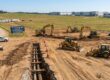
 New construction projects often require careful planning to successfully install essential utilities such as power, water, and data lines. Coordination between contractors and utility providers influences how smoothly these installations progress. Builders must also consider regulations, site conditions, and potential delays that can affect project timelines. Without proper planning, conflicts and rework can lead to increased costs. Addressing common utility installation challenges early helps maintain safety and efficiency on site.
Coordination Requirements
Coordination is critical when multiple utility systems must be installed in a limited space. Builders typically work with local providers to determine placement, depth, and access points for lines. Scheduling must account for subcontractor availability and weather influences that may slow progress. Communication among teams prevents conflicts between power conduits, water mains, and data routing. Thorough documentation ensures all participants understand the installation sequence.
Trenching Logistics
Trenching is required to place underground utilities at the correct depths while maintaining safe separation. The size and layout of trenches vary depending on soil type and local code compliance. Contractors must protect exposed areas from collapse or water intrusion during excavation. Backfilling must be compacted correctly to prevent future settling issues. Inspections confirm that utility placement meets established standards and reduces the risk of later repairs.
Safety Considerations
Safety remains a priority throughout utility installation activities. Workers must follow guidelines for operating heavy machinery around open trenches and existing utility systems. Personal protective equipment reduces the risk of injury, especially near energized lines and pressurized pipes. Barriers and signage protect pedestrians and other site personnel from unsafe zones. Regular safety audits verify that procedures are followed consistently and effectively.
Power and Water Routing
Routing power and water lines involves precise measurements to avoid interference with other infrastructure. Electrical conduits require protection from moisture and vibration to maintain long term reliability. Water lines must be insulated or placed at proper depths to prevent freezing in colder climates. Engineers often prepare detailed routing diagrams to document planned pathways. These measurements help safeguard against costly repairs or service disruptions later.
Data Line Integration
Modern buildings rely on strong connectivity, which requires proper handling of data line installation. Data cables must be separated from power lines to reduce interference. Specialized coverings and conduit systems protect cables from moisture and physical damage. Planning for future expansion allows easier upgrades if technology requirements change. Integrating communication systems effectively addresses many utility installation challenges before occupancy.
Building a Reliable Foundation
Addressing utility installation early improves overall project stability. Clear coordination, proper trenching, and consistent safety practices support long term infrastructure performance. When each party understands its responsibilities, new builds achieve reliable power, water, and data access.